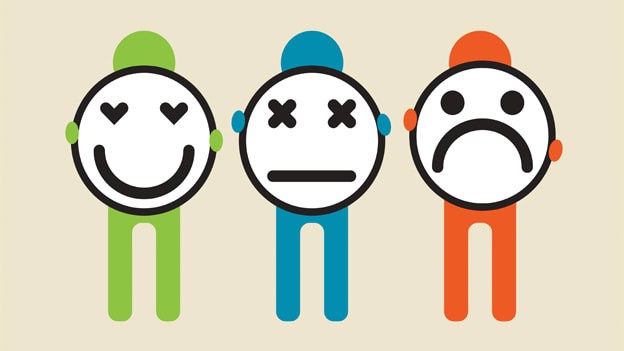
Team culture is often discussed in terms of values, behaviors, and shared goals, but beneath those visible layers lies something more subtle and powerful: emotional architecture. This is the invisible framework that shapes how people feel within a team—how safe, supported, motivated, and connected they are. It’s not built with policies or perks, but with intention, empathy, and consistency. When emotional architecture is strong, team culture becomes more than functional—it becomes transformative.
At the core of emotional architecture is psychological safety. It’s the feeling that people can speak up, take risks, and be themselves without fear of ridicule or punishment. This sense of safety doesn’t emerge from a single meeting or memo; it’s cultivated over time through everyday interactions. Leaders who listen actively, respond thoughtfully, and admit their own mistakes help create an environment where vulnerability is not only accepted but valued. That openness becomes the foundation for trust.
Trust, in turn, is the load-bearing wall of any emotionally sound team. It’s what allows people to collaborate deeply, challenge ideas respectfully, and rely on each other during high-pressure moments. Trust isn’t just about believing someone will do their job—it’s about believing they care. When team members feel that their colleagues have their back, they’re more likely to lean in, contribute fully, and stay committed even when things get tough.
Emotional architecture also includes a sense of belonging. People want to feel that they matter—not just for what they produce, but for who they are. This means recognizing individual strengths, celebrating diverse perspectives, and making space for personal expression. A team that feels inclusive and affirming becomes a place where people can thrive. Belonging isn’t about fitting in—it’s about being welcomed as you are and knowing that your presence makes a difference.
Motivation is another key element. While external rewards can drive short-term performance, emotional motivation sustains long-term engagement. When people feel that their work is meaningful, that their efforts contribute to something larger, they’re more likely to stay energized and focused. Leaders can foster this by connecting daily tasks to broader goals, sharing stories of impact, and acknowledging the emotional labor that often goes unseen. Purpose fuels performance, and emotion gives purpose its power.
Recognition plays a vital role in reinforcing emotional architecture. It’s not just about bonuses or awards—it’s about noticing. A simple thank-you, a shout-out in a meeting, or a handwritten note can make someone feel seen and appreciated. These moments of recognition build emotional equity, reminding people that their contributions matter. When recognition is woven into the fabric of team culture, it becomes a source of strength and resilience.
Conflict, when handled well, can also strengthen emotional architecture. Disagreements are inevitable, but they don’t have to be destructive. Teams that approach conflict with curiosity rather than defensiveness create space for growth. This requires emotional maturity, active listening, and a shared commitment to resolution. When people feel that conflict is safe and constructive, they’re more likely to engage honestly and work through challenges together.
Emotional architecture is also shaped by rituals and rhythms. Regular check-ins, team celebrations, and shared routines create a sense of continuity and connection. These moments anchor the team emotionally, offering predictability in an often unpredictable world. They don’t have to be elaborate—what matters is that they’re consistent and meaningful. Rituals remind people that they’re part of something enduring, something worth showing up for.
Leadership presence is a critical factor. Leaders set the emotional tone for the team, whether they realize it or not. Their demeanor, communication style, and decision-making approach all influence how others feel. Leaders who are emotionally attuned—who notice shifts in mood, respond with empathy, and model self-awareness—help build a culture that feels grounded and humane. Emotional leadership isn’t about being soft—it’s about being real.
Transparency contributes to emotional stability. When people understand what’s happening and why, they feel more secure and respected. This doesn’t mean sharing every detail, but it does mean communicating openly about changes, challenges, and decisions. Transparency builds credibility, and credibility strengthens emotional architecture. It’s easier to trust a leader who tells the truth, even when the truth is difficult.
Flexibility is another emotional asset. Teams that allow for different working styles, accommodate personal needs, and adapt to changing circumstances show that they value people as whole humans. This kind of flexibility reduces stress and increases loyalty. It’s not about lowering standards—it’s about recognizing that emotional well-being is essential to sustained performance. When people feel supported, they show up stronger.
Feedback, when delivered with care, reinforces emotional architecture. Constructive feedback helps people grow, but it must be offered in a way that respects their dignity. Timing, tone, and context all matter. Feedback should be a dialogue, not a verdict. When people feel that feedback is meant to help rather than hurt, they’re more likely to receive it openly and act on it. That openness strengthens the emotional fabric of the team.
Celebration is often overlooked but deeply important. Marking milestones, honoring achievements, and simply pausing to appreciate progress creates emotional momentum. These celebrations don’t just boost morale—they reinforce the idea that the team is moving forward together. They remind people that their efforts are part of a shared journey, and that journey is worth celebrating.
Ultimately, the emotional architecture of team culture is what makes a group feel like a team rather than a collection of individuals. It’s the invisible scaffolding that holds everything together, especially when the pressure mounts or the path gets unclear. Building this architecture requires intention, patience, and emotional intelligence. But when it’s in place, it transforms the workplace into a space of connection, purpose, and possibility. That’s where the best work—and the best relationships—are born.