Cultural heritage represents the collective memory of societies, encompassing historic buildings, priceless artworks, ancient artifacts, and traditions that define identity. Preserving these treasures is not only a matter of pride but also of responsibility, as they connect generations and provide continuity in an ever-changing world. Insurance plays a surprisingly important role in this process, offering financial protection and stability that allows institutions, governments, and communities to safeguard heritage against the unpredictable forces of nature, human error, and global uncertainty.
The vulnerability of cultural heritage is evident in the face of disasters. Fires, floods, earthquakes, and even political unrest have destroyed or damaged countless monuments and collections throughout history. While restoration efforts can sometimes bring these treasures back to life, the costs are immense and often beyond the capacity of public budgets or private donors. Insurance provides a mechanism to absorb these financial shocks, ensuring that recovery is possible and that heritage sites or collections are not permanently lost due to lack of resources.
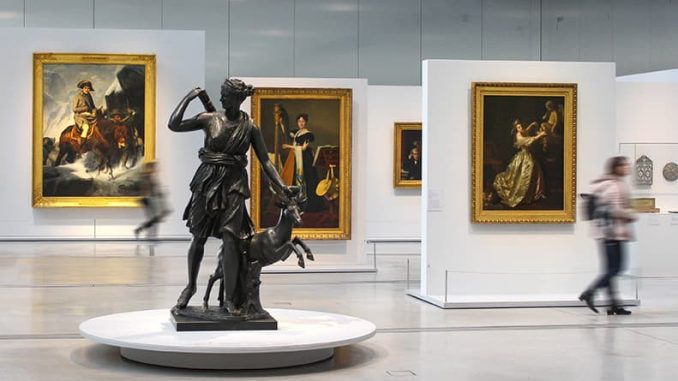
Museums and galleries rely heavily on insurance to protect their collections. When priceless works of art are loaned for exhibitions, insurance policies cover the risks of transport, handling, and display. This protection makes it possible for institutions to share cultural treasures across borders, enriching global audiences and fostering cultural exchange. Without insurance, the risks of moving fragile or irreplaceable items would be too great, limiting access and reducing opportunities for education and appreciation.
Historic buildings and landmarks also benefit from insurance coverage. These structures often require specialized maintenance and restoration, and their age makes them particularly susceptible to damage. Insurance helps fund repairs after accidents or natural disasters, ensuring that communities can preserve their architectural heritage. In many cases, coverage extends beyond physical reconstruction to include the costs of expert consultation, conservation techniques, and materials that match the original design. This attention to detail is essential in maintaining authenticity and cultural value.
The role of insurance in cultural heritage extends beyond financial compensation. It also encourages proactive risk management. Institutions that insure their collections or sites are often required to adopt preventive measures, such as installing fire suppression systems, improving security, or implementing climate control. These requirements not only reduce the likelihood of damage but also enhance the overall preservation of heritage. In this way, insurance acts as both a safety net and a catalyst for better stewardship.
Insurance also plays a role in shaping public-private partnerships in heritage preservation. Governments may provide basic funding for cultural institutions, but insurance allows private stakeholders to participate in safeguarding heritage. Philanthropists, corporations, and even local communities can contribute to premiums or support coverage, creating a shared responsibility for preservation. This collaboration strengthens resilience and ensures that cultural heritage is protected by a diverse network of stakeholders.
The psychological impact of insurance on cultural heritage should not be underestimated. For curators, conservators, and communities, knowing that coverage exists provides reassurance that treasures are not entirely vulnerable to unforeseen events. This peace of mind fosters confidence in organizing exhibitions, investing in restoration, and opening heritage sites to the public. It allows institutions to focus on their mission of education and preservation rather than being consumed by fear of financial ruin.
Global crises have further highlighted the importance of insurance in protecting cultural heritage. Climate change, for instance, has increased the frequency of extreme weather events, putting historic sites and collections at greater risk. Insurance systems that adapt to these challenges provide critical support, covering damages and enabling recovery. Similarly, geopolitical instability and armed conflict have threatened cultural treasures, and insurance has played a role in funding restoration and relocation efforts. These examples underscore the adaptability of insurance in responding to evolving threats.
Technology is reshaping how insurance supports cultural heritage. Digital tools allow insurers to assess risks more accurately, while innovations such as blockchain can create transparent records of ownership and provenance. These advancements reduce disputes and enhance trust in coverage, making insurance more effective in protecting heritage. At the same time, digital documentation of collections and sites ensures that even if physical damage occurs, records remain intact for future restoration or study.
The economic implications of insuring cultural heritage are significant. Heritage sites and institutions often contribute to tourism, education, and local economies. Insurance ensures that these contributions are not disrupted by disasters, enabling communities to recover quickly and maintain economic stability. By protecting cultural assets, insurance indirectly supports jobs, businesses, and industries that depend on heritage as a source of value and identity.
Insurance also plays a role in equity and access. By covering the costs of preservation and recovery, insurance helps ensure that cultural heritage remains available to all, rather than being restricted to wealthy institutions or nations. This inclusivity fosters global appreciation and understanding, reinforcing the idea that heritage belongs to humanity as a whole. Insurance, in this sense, becomes a tool for democratizing access to culture.
Looking ahead, the role of insurance in cultural heritage will continue to grow in importance. As risks evolve and societies place greater emphasis on preservation, insurers will need to develop products that balance affordability with comprehensive coverage. Collaboration between insurers, governments, and cultural institutions will be essential in creating sustainable solutions. The challenge is not only to provide financial protection but also to foster resilience and confidence in the stewardship of heritage.
Ultimately, insurance is more than a financial safeguard for cultural heritage; it is a partner in preservation. By absorbing risks, encouraging preventive measures, and enabling recovery, insurance ensures that treasures of the past remain part of the future. Its impact extends beyond institutions to communities and economies, reinforcing the value of heritage as a shared resource. In a world where uncertainty is constant, insurance provides the stability needed to protect cultural identity and ensure that it continues to inspire generations to come.