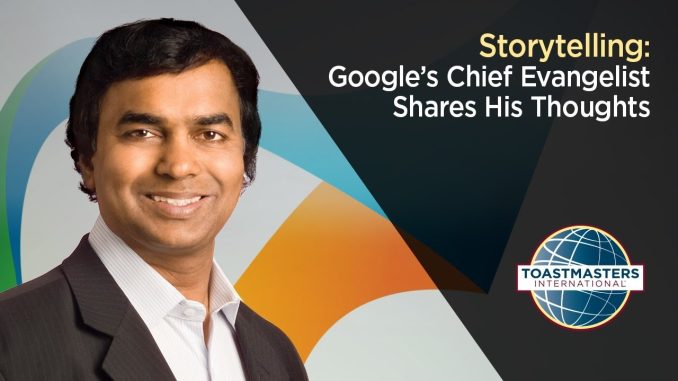
Thought leadership in technology is not simply about being knowledgeable; it is about shaping conversations, inspiring innovation, and guiding others through the complexities of a rapidly evolving digital landscape. For tech evangelists, the role goes beyond advocacy for a particular product or platform. It requires a blend of vision, communication, and credibility that positions them as trusted voices in the industry. The journey to becoming a thought leader is as much about cultivating influence as it is about mastering technical expertise.
At the heart of thought leadership lies the ability to articulate ideas in ways that resonate with diverse audiences. Tech evangelists must bridge the gap between technical detail and business relevance, translating complex concepts into narratives that inspire action. This skill is critical because technology often intimidates or overwhelms those outside the field. By simplifying without oversimplifying, evangelists make innovation accessible, helping organizations and individuals see not just what technology does but what it enables.
Credibility is the foundation upon which thought leadership is built. Audiences look to tech evangelists for guidance, and that trust must be earned through consistency, transparency, and authenticity. It is not enough to echo industry trends; true thought leaders provide unique perspectives grounded in experience and insight. They demonstrate a willingness to challenge assumptions, admit limitations, and engage in honest dialogue. This authenticity fosters trust, which in turn amplifies influence.
The role of a tech evangelist also involves foresight. Thought leaders are expected to anticipate shifts in technology and business, offering guidance that prepares organizations for what lies ahead. This requires not only staying informed but also cultivating the ability to connect dots across industries, disciplines, and emerging trends. By identifying patterns and projecting their implications, evangelists help businesses navigate uncertainty and seize opportunities before they become mainstream.
Communication is the tool that transforms expertise into leadership. Whether through public speaking, writing, or digital engagement, tech evangelists must craft messages that inspire and inform. Storytelling plays a central role here, as narratives capture attention and make abstract concepts relatable. A well-told story about how a technology solved a real-world problem can be more persuasive than any technical specification. Thought leaders understand that influence is not achieved through data alone but through the emotions and aspirations that stories evoke.
Engagement with the community is another critical dimension. Thought leadership is not a one-way broadcast; it is a dialogue. Tech evangelists must listen as much as they speak, learning from the experiences and concerns of others. This engagement not only enriches their own understanding but also demonstrates humility and openness. By fostering communities of practice, evangelists create ecosystems where ideas can flourish, collaboration can thrive, and innovation can accelerate.
The digital age has expanded the platforms available for thought leadership, but it has also raised the bar for authenticity. Audiences are quick to discern between genuine insight and self-promotion. Tech evangelists must therefore balance advocacy with impartiality, ensuring that their contributions add value beyond marketing. This balance is achieved by focusing on education, inspiration, and problem-solving rather than simply promoting products. When audiences see that the evangelist’s primary goal is to empower rather than sell, credibility deepens.
Mentorship is another avenue through which tech evangelists cultivate thought leadership. By guiding emerging professionals, they extend their influence beyond immediate audiences and contribute to the long-term growth of the industry. Mentorship demonstrates a commitment to nurturing talent and sharing knowledge, reinforcing the evangelist’s role as a leader who invests in others. This ripple effect strengthens the broader community and ensures that thought leadership is sustained across generations.
Adaptability is essential in a field defined by rapid change. Technologies evolve, markets shift, and new challenges emerge constantly. Thought leaders must remain agile, willing to update their perspectives and embrace new paradigms. This adaptability signals resilience and relevance, qualities that audiences value in uncertain times. By demonstrating a willingness to evolve, tech evangelists model the mindset required to thrive in dynamic environments.
The impact of thought leadership extends beyond individual influence. Organizations benefit when their evangelists are recognized as industry leaders, as this visibility enhances brand reputation and attracts talent, partners, and customers. Thought leadership becomes a strategic asset, positioning the organization as a trusted innovator. For businesses, investing in the development of tech evangelists is not just about marketing; it is about cultivating voices that shape the future of the industry.
Ultimately, thought leadership for tech evangelists is about service. It is about using expertise and influence to guide, inspire, and empower others. The most effective leaders are those who see their role not as self-promotion but as stewardship of ideas and communities. They recognize that their success is measured not by the size of their audience but by the impact of their contributions. This service-oriented mindset ensures that thought leadership remains authentic, meaningful, and enduring.
The journey to becoming a thought leader is ongoing. It requires continuous learning, reflection, and engagement. Tech evangelists must remain curious, committed to growth, and open to new perspectives. They must cultivate resilience in the face of criticism and persistence in the pursuit of influence. Above all, they must remain passionate about technology and its potential to transform lives and industries. Passion is the fuel that sustains thought leadership, driving evangelists to share their vision and inspire others.
In the end, the guide to thought leadership for tech evangelists is not a checklist but a philosophy. It is about embracing curiosity, authenticity, foresight, and service. It is about recognizing that influence is earned through trust and sustained through engagement. As technology continues to reshape the world, the role of the tech evangelist will remain vital, guiding organizations and individuals through complexity with clarity, vision, and passion. Thought leadership is not just a title; it is a responsibility, and those who embrace it have the power to shape the future.