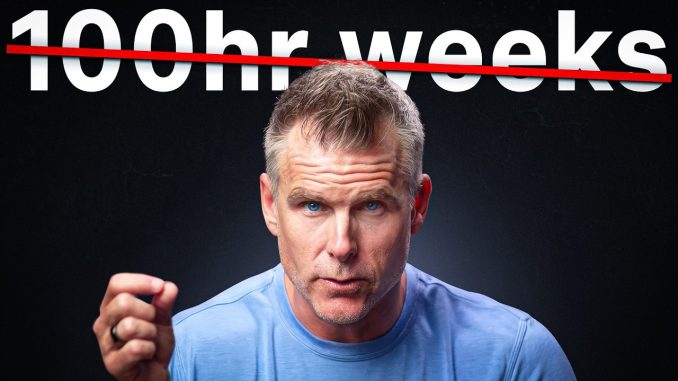
For many entrepreneurs, the dream of building a business is tied to freedom. Yet ironically, the very companies they create often become dependent on them to function. Owners find themselves trapped in day-to-day operations, unable to step away without risking disruption. The true mark of a sustainable enterprise is not how much it relies on its founder, but how well it can thrive in their absence. Building a business that runs without you requires foresight, discipline, and a commitment to creating systems that outlast individual effort.
The first step in this journey is recognizing the difference between working in your business and working on your business. When you are constantly involved in daily tasks, you are essentially an employee of your own company. Shifting your focus to building structures, processes, and teams allows you to step into the role of architect rather than operator. This mindset change is crucial because it forces you to think about scalability and sustainability rather than short-term fixes.
Systems are the backbone of any business that can operate independently of its founder. Clear processes for sales, customer service, operations, and finance ensure that tasks are executed consistently, regardless of who performs them. Documenting these processes may feel tedious, but it creates a playbook that empowers others to take ownership. When employees can rely on established systems, they are less dependent on constant guidance, and the business becomes more resilient.
Delegation is equally important. Many entrepreneurs struggle with letting go, believing that no one can perform tasks as well as they can. This mindset is a barrier to growth. Hiring capable people and trusting them to make decisions is essential for building independence. Delegation is not about offloading responsibilities haphazardly; it is about empowering others with the authority and resources to succeed. When employees feel trusted, they are more likely to rise to the occasion and contribute meaningfully to the company’s success.
Leadership plays a central role in this process. A business that runs without its founder requires leaders at multiple levels who can carry the vision forward. Developing leadership within the organization ensures that decision-making does not bottleneck at the top. This involves mentoring, training, and creating opportunities for employees to step into greater responsibility. A culture of leadership distributes accountability and makes the company less vulnerable to the absence of any single individual.
Technology can also be a powerful enabler. Automating routine tasks, streamlining communication, and integrating data systems reduce reliance on manual oversight. Tools that manage customer relationships, track performance, and handle financial reporting allow the business to function smoothly without constant intervention. Technology does not replace human judgment, but it provides the infrastructure that supports independence and efficiency.
Financial discipline is another cornerstone of a self-sustaining business. Companies that rely too heavily on the founder’s personal involvement in managing cash flow or negotiating deals are at risk. Establishing strong financial controls, transparent reporting, and clear accountability ensures stability. When financial systems are robust, the business can withstand challenges and continue operating without the founder’s direct involvement in every transaction.
Culture is often overlooked but is vital to building independence. A strong culture aligns employees with the company’s mission and values, guiding behavior even when the founder is not present. Culture acts as an invisible hand, shaping decisions and interactions in ways that reinforce the brand’s identity. When employees understand and embrace the culture, they do not need constant supervision to act in ways that support the company’s goals.
Customer relationships also need to be institutionalized rather than personalized. If clients only associate the business with the founder, the company’s value diminishes when that person steps away. Building systems for customer engagement, ensuring multiple points of contact, and creating brand loyalty beyond individual personalities strengthens resilience. Customers should feel connected to the company itself, not just to its owner.
Succession planning is another critical element. Even if the founder does not intend to exit soon, preparing for leadership transitions ensures continuity. Identifying potential successors, whether internal or external, and equipping them with the knowledge and experience to lead provides security. Succession planning is not just about replacing the founder; it is about ensuring that the business has the capacity to adapt and evolve over time.
The ability to step away from the business also requires trust in the team. This trust is built through consistent communication, clear expectations, and accountability. When employees know what success looks like and have the tools to achieve it, they can operate independently. Trust does not mean disengagement; it means confidence that the systems and people in place can handle challenges without constant oversight.
Ultimately, building a business that runs without you is about creating an ecosystem rather than a dependency. It is about designing a company that is greater than any one individual, where processes, culture, and leadership combine to sustain growth. This does not happen overnight, but with deliberate effort, it is achievable. The reward is not only freedom for the founder but also stability and longevity for the business itself.
A company that can thrive without its founder is more attractive to investors, more valuable in the marketplace, and more resilient in the face of change. It becomes an asset rather than a job, capable of generating wealth and impact beyond the founder’s direct involvement. For entrepreneurs, this is the ultimate measure of success: building something that endures, something that continues to grow and serve even when they are no longer at the center.
The journey to this point requires patience and discipline, but it is worth the effort. By focusing on systems, leadership, culture, and trust, entrepreneurs can create businesses that stand on their own. In doing so, they not only achieve personal freedom but also ensure that their vision lives on, carried forward by the people and structures they have built. That is the essence of a business that truly runs without you.