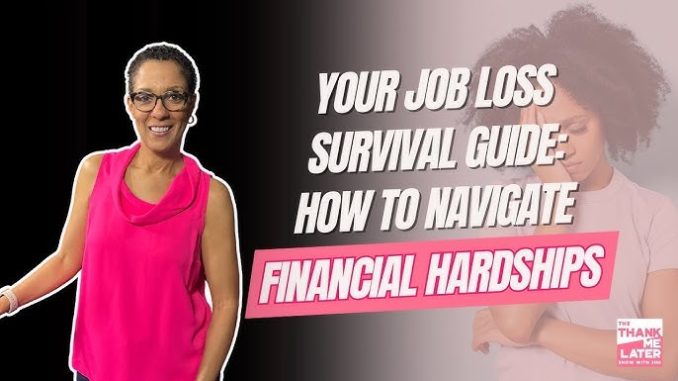
Financial survival mode is a state where every decision revolves around making it to the next paycheck, covering the next bill, or managing the next unexpected expense. It is exhausting, and it often feels like there is no room to breathe, let alone plan for the future. Escaping this cycle requires more than just earning more money; it demands a shift in mindset, habits, and strategy. The goal is to move from constant reaction to intentional control, where financial choices are guided by long-term priorities rather than immediate pressures.
The first step in breaking free from survival mode is gaining clarity. When stress is high, it is tempting to avoid looking closely at your finances, but avoidance only deepens the problem. By reviewing income, expenses, and obligations, you replace uncertainty with information. This process may feel uncomfortable at first, but it transforms vague anxiety into actionable insight. Once you know exactly where your money is going, you can begin to identify areas where adjustments can be made.
Discipline plays a critical role in this transition. Survival mode often leads to impulsive decisions because the focus is on short-term relief rather than long-term stability. Building discipline means committing to consistent habits, such as saving even small amounts, paying bills on time, and resisting unnecessary purchases. These actions may feel minor, but they compound over time, creating momentum that shifts you out of crisis and into control. Discipline is not about restriction; it is about creating freedom by ensuring that your money works for you rather than against you.
Another important factor is setting realistic goals. When you are in survival mode, long-term objectives can feel overwhelming or even impossible. Breaking them into smaller, achievable steps makes progress visible and motivating. Whether it is building a modest emergency fund, reducing debt gradually, or saving for a specific expense, each milestone reinforces confidence. These goals provide direction and help you focus on progress rather than just survival.
Debt management is often central to escaping financial survival mode. Carrying high-interest balances drains resources and perpetuates the cycle of stress. Addressing debt directly, with a structured plan, shifts the narrative from burden to empowerment. Each payment made toward reducing debt is a step toward freedom, and the act of confronting the issue head-on builds resilience. Over time, reducing debt not only improves financial health but also restores confidence in your ability to manage challenges.
Savings, even in small amounts, are another key to breaking free. Survival mode often feels like there is no room to save, but setting aside even a modest sum creates a cushion that reduces stress. An emergency fund, however small, provides reassurance that unexpected expenses will not derail progress. Savings are not just about preparing for the future; they are about creating stability in the present. They transform money from a source of fear into a source of confidence.
Mindset is equally important in this journey. Survival mode is fueled by scarcity thinking, where money is viewed as fragile and limited. Shifting to an abundance mindset encourages creativity and optimism. It reframes challenges as opportunities to grow and reinforces the belief that progress is possible. This psychological shift is powerful because it changes how you approach financial decisions. Instead of reacting with fear, you begin to act with confidence and purpose.
Adaptability also plays a role in escaping survival mode. Life is unpredictable, and financial circumstances can change suddenly. Those who thrive are not those who avoid challenges but those who adjust effectively. Whether it is revising a budget, exploring new income opportunities, or reevaluating spending priorities, adaptability ensures that progress continues even when the path shifts. Flexibility reduces the sense of being trapped and reinforces the belief that you can navigate uncertainty.
Communication can ease the burden as well. Financial stress is often carried silently, which makes it feel heavier. Sharing concerns with a trusted partner, family member, or advisor provides perspective and support. Open discussions about priorities and responsibilities prevent misunderstandings and create collaboration. When financial challenges are addressed collectively rather than in isolation, solutions often emerge more quickly, and the emotional weight is shared rather than carried alone.
Technology offers practical tools to simplify financial management. Apps that track spending, automate savings, or provide investment insights reduce the burden of constant monitoring. These systems create accountability and efficiency, ensuring that progress continues even when life feels chaotic. By leveraging technology, you can manage money more effectively and gain confidence in your ability to stay on track. This confidence directly reduces the feeling of being stuck in survival mode.
Celebrating progress is another way to reinforce the transition. Each time you reach a milestone, whether paying off a debt, saving a set amount, or sticking to a budget, you build resilience and strengthen your financial discipline. Recognizing these victories provides motivation to continue and reminds you that escaping survival mode is not about perfection but about persistence. Each achievement is proof that you are capable of managing money effectively, and that confidence fuels further progress.
Ultimately, escaping financial survival mode is about alignment. It requires clarity, discipline, adaptability, and patience, but it also rewards you with freedom and peace of mind. When your financial life is under your control, you move from reacting to circumstances to actively shaping the future you want. The journey may feel daunting at first, but each step reduces the weight of stress and builds momentum toward stability.
In the end, survival mode is not a permanent state but a temporary challenge. By confronting the situation honestly, building resilience, and cultivating discipline, you can move forward with confidence. The process may be gradual, but with persistence and intentional effort, financial survival mode becomes not a defining feature of your life but a challenge you overcame on the path to greater resilience and success.